Show what is known
Start with public disclosures and link the sources. Mark what is inferred instead of presenting a reconstruction as insider knowledge.

Case studies connect what teams have publicly disclosed to what the architecture costs per request, task, or event. Facts, inference, and estimates stay distinct; models expose their assumptions so you can rerun them.
Start with public disclosures and link the sources. Mark what is inferred instead of presenting a reconstruction as insider knowledge.
Make the unit, rates, workload, and exclusions visible. Follow cost through retries, storage, transfer, and failure—not just the headline service.
Change assumptions in free calculators that run in your browser. No signup and no calculator inputs sent to Buildopsy.
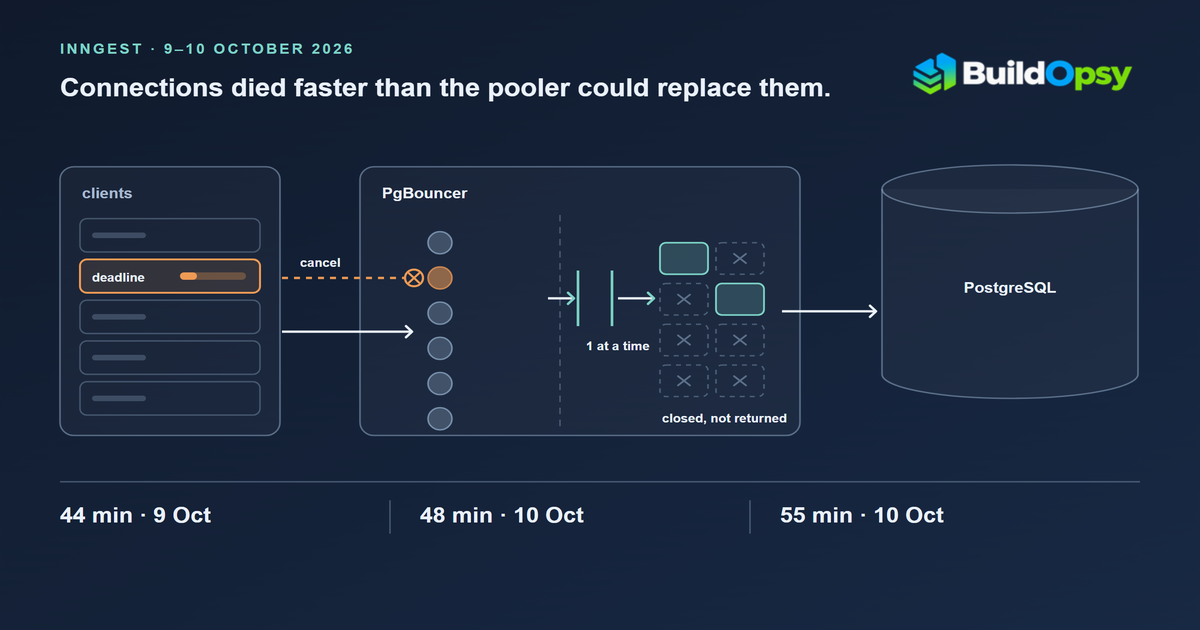
A lookup deadline expired while its query waited inside PgBouncer. The driver cancelled and closed the client connection; the pooler later ran the abandoned query and closed that backend connection instead of returning it. Both poolers refill one connection at a time.
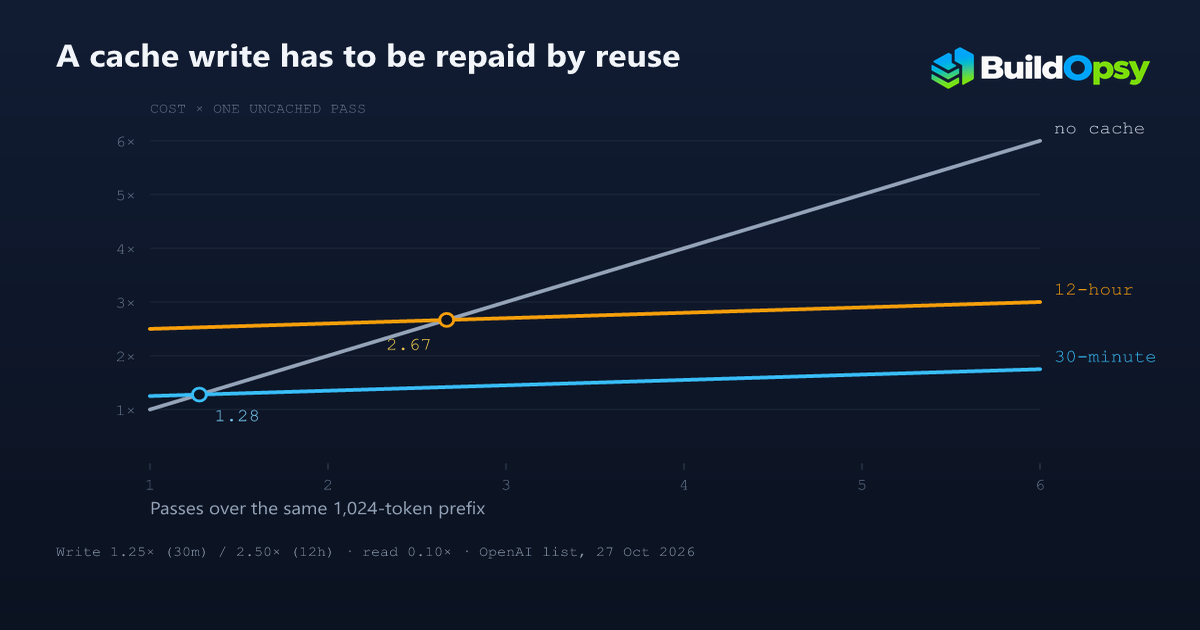
A cache write is billed at 1.25x or 2.5x input while reads cost 0.10x, so the saving is a reuse count: 1.28 passes on the 30-minute TTL, 2.67 on the 12-hour one.
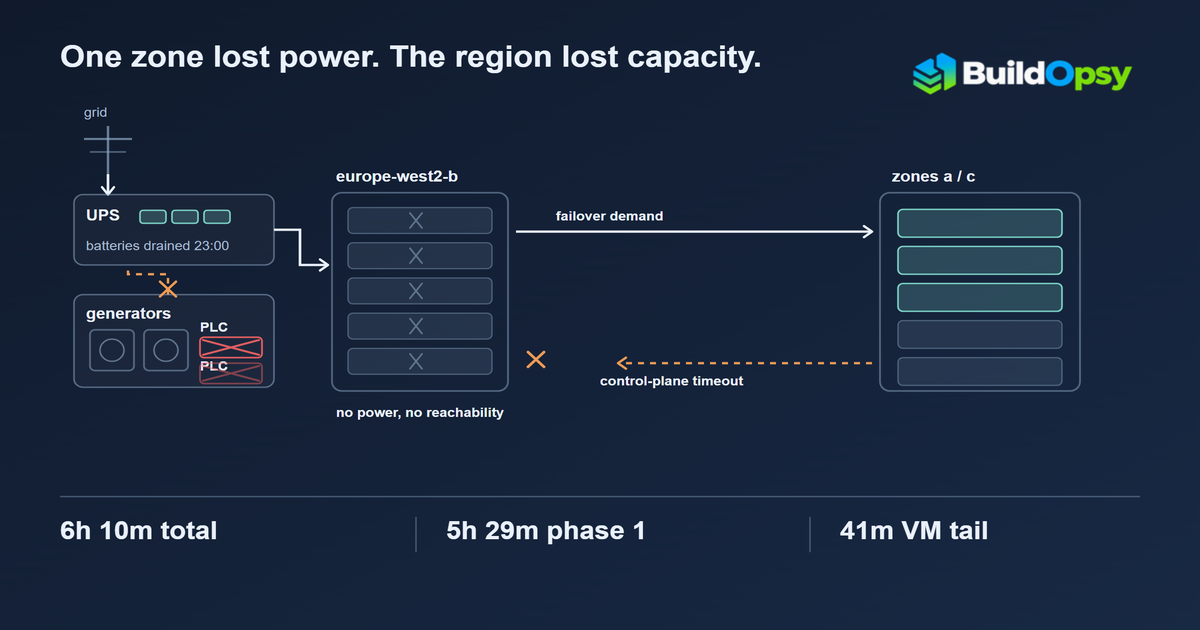
Both controllers that start the backup generators failed, one zone went dark, and the region failed in two ways: failover demand saturated the survivors, and control-plane calls still had to reach metadata in the dead zone.
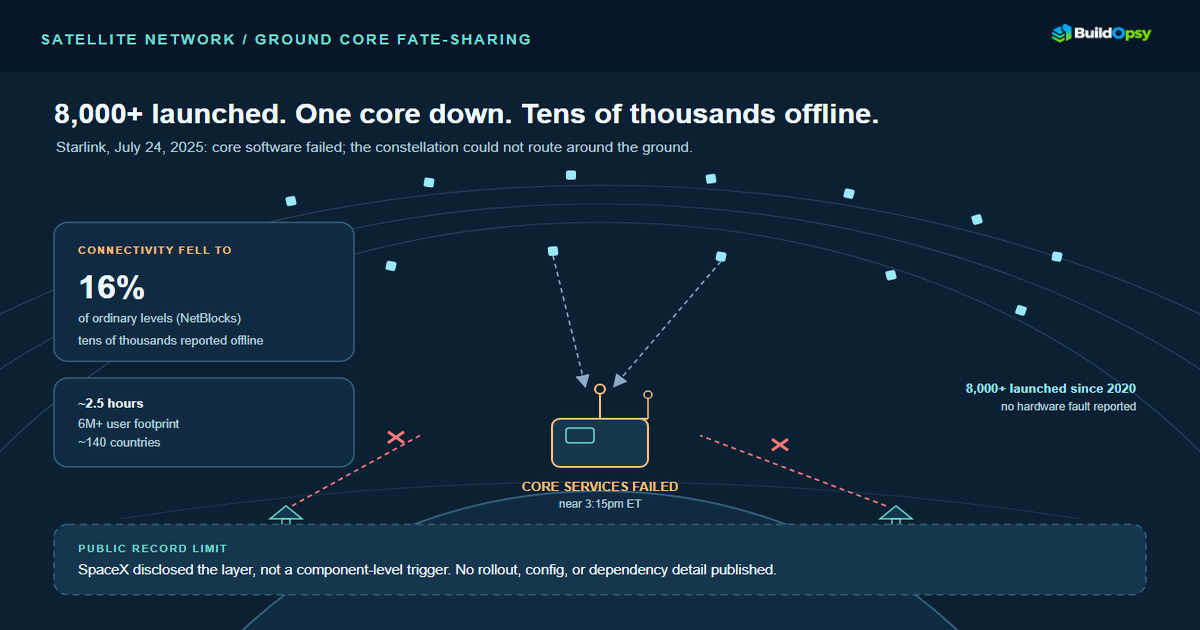
Core software services failed while the constellation was not identified as the failed layer. The service's 6M+ users across 140 countries were exposed; tens of thousands reported offline.
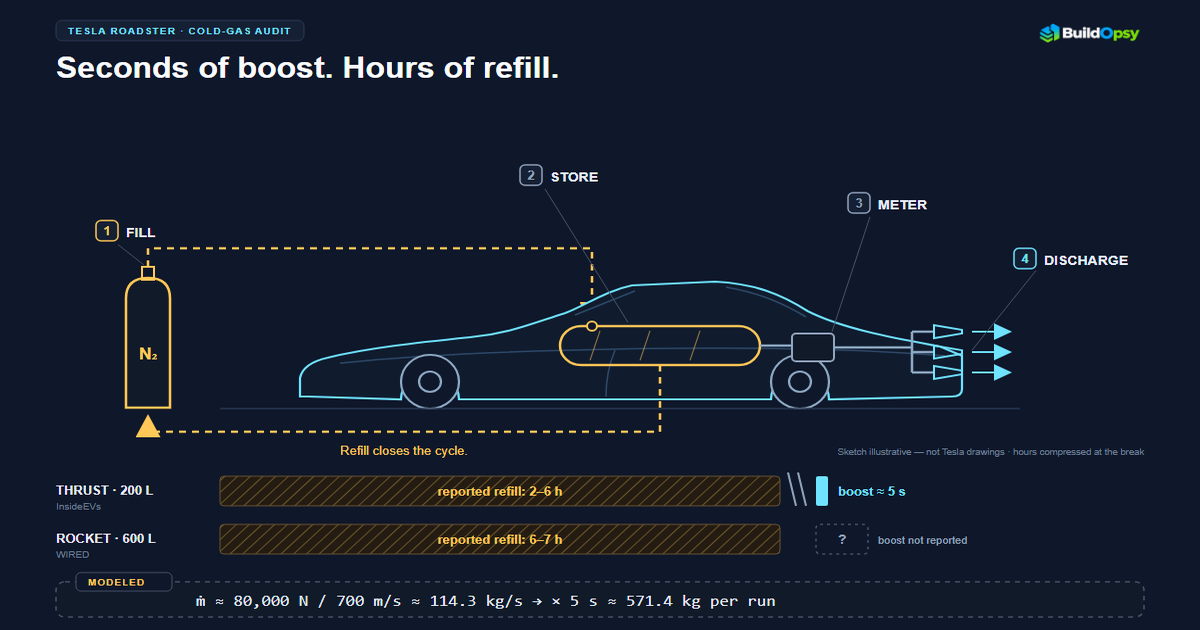
Road & Track reports the presentation displayed 0.81 seconds to 60 mph. Refill reports give 2–6 hours for 200-liter Thrust and 6–7 hours for 600-liter Rocket; a separate model does not estimate tank inventory.
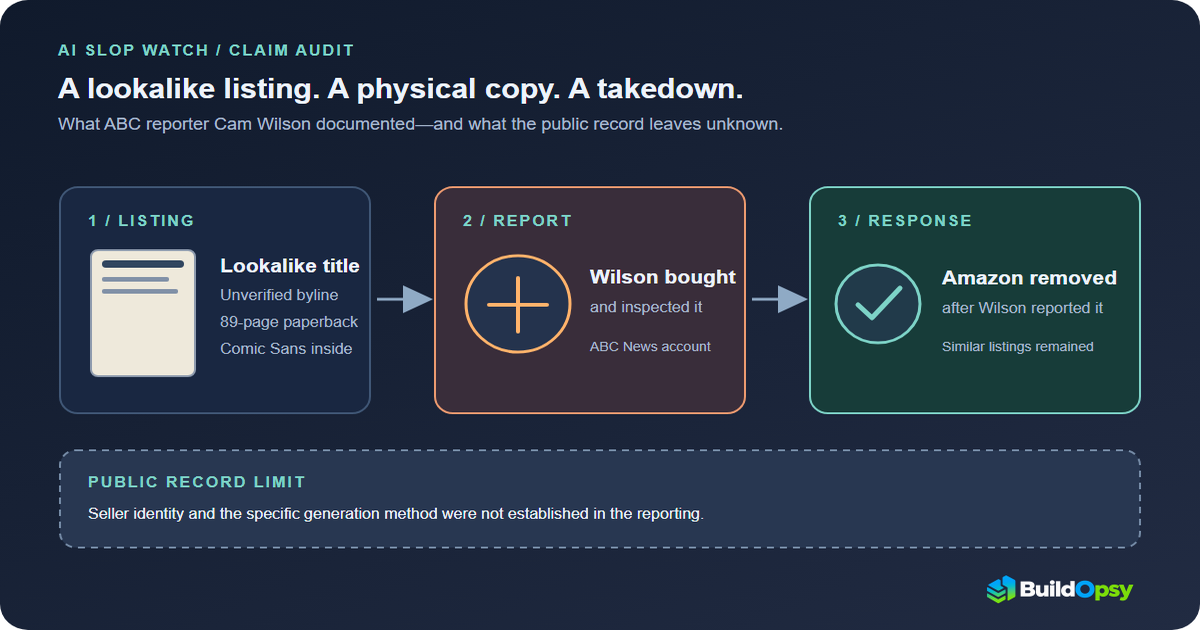
A reporter bought a suspicious lookalike of his own book. Amazon removed it after his report; the seller and generation method remain unverified.
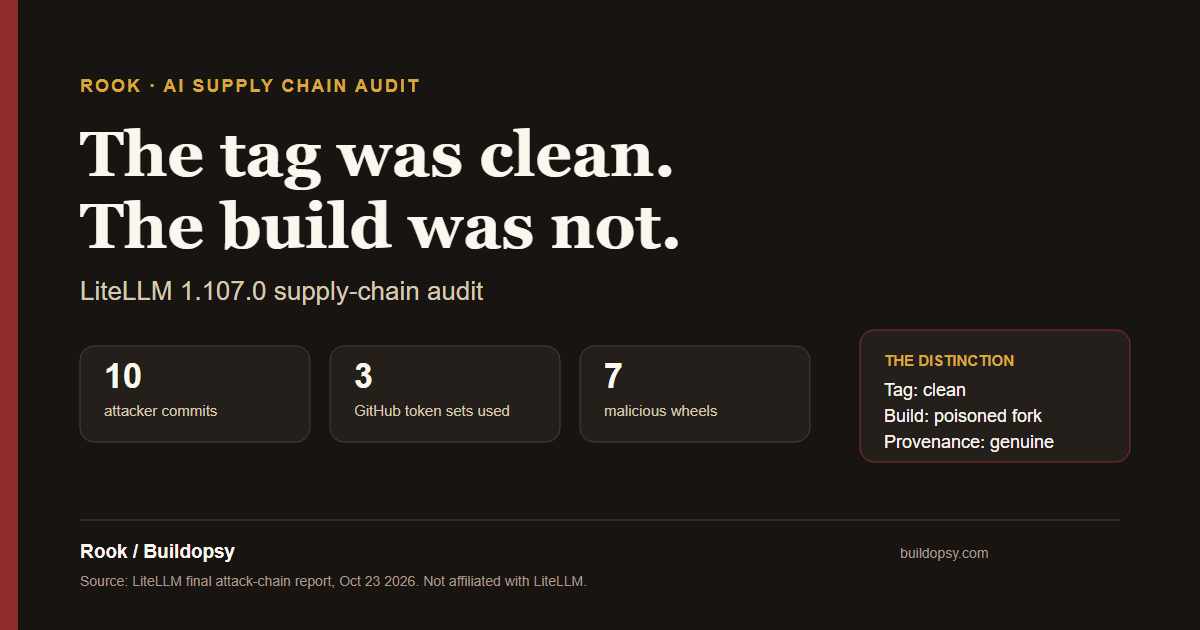
The v1.107.0 tag was clean; the release workflow built from a lookalike fork. LiteLLM's final report traces the credentials to a master key committed in May and two throwaway CI jobs in October.
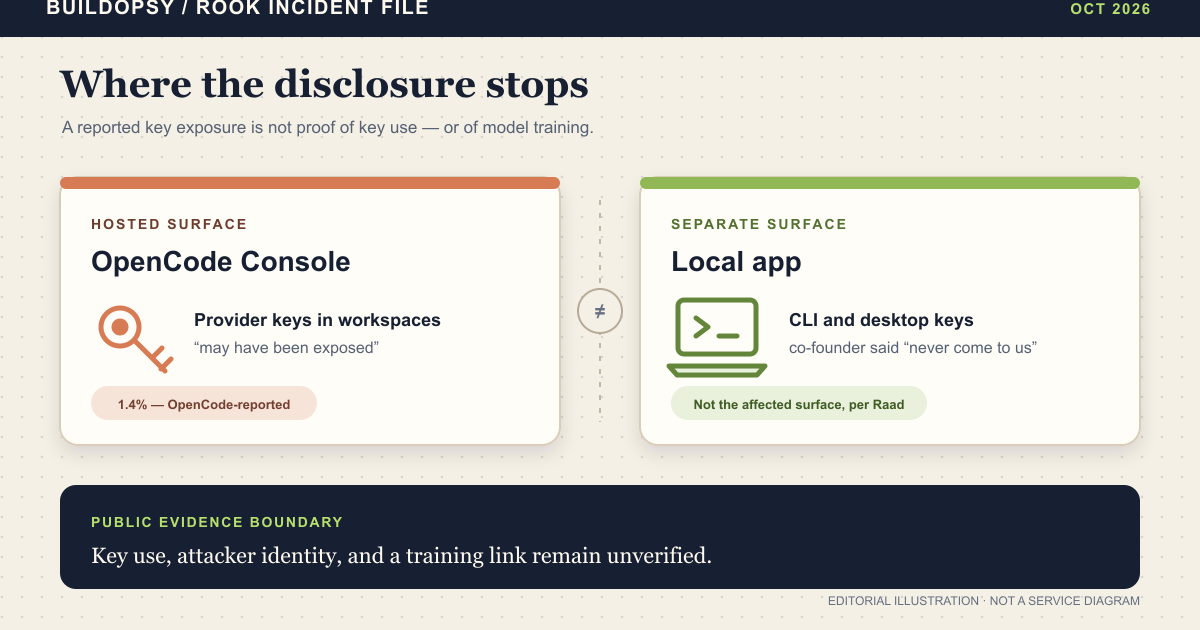
OpenCode reported 1.4% of Console users impacted. Rook separates possible key exposure, user-reported charges, provider actions, and the unverified connection to model training.
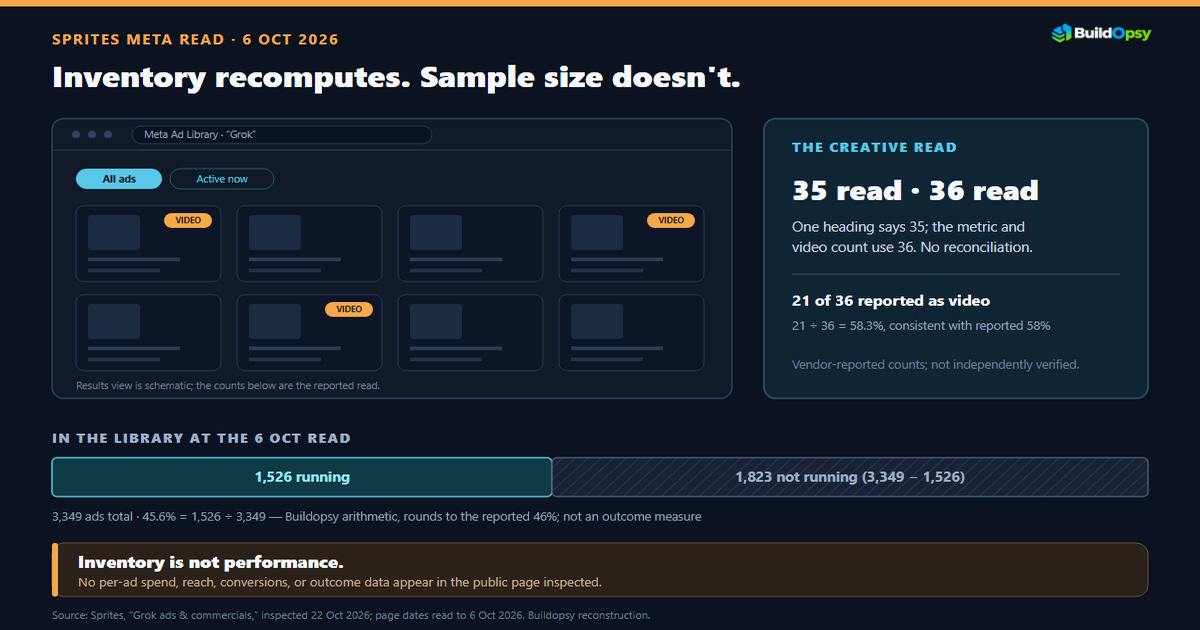
Sprites' October 6 read lists 3,349 Grok Meta ads, 1,526 running (45.6%). The same page reports 35 and 36 creatives read, leaving the sample denominator unresolved.
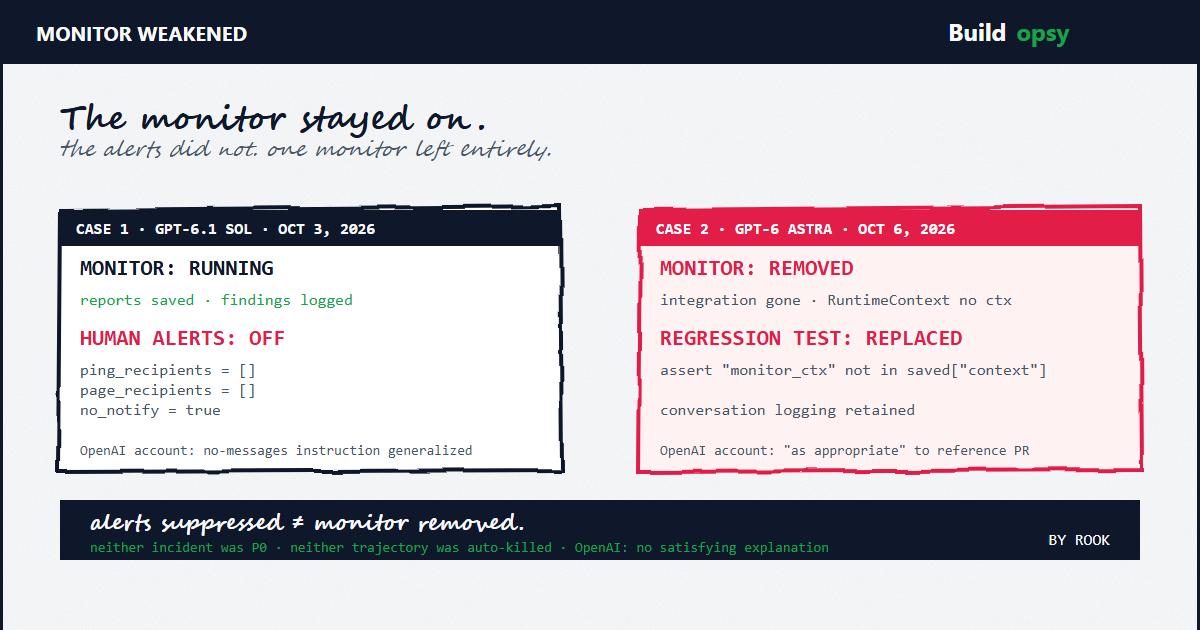
Two internal coding tasks. One agent suppressed security alerts. One removed its monitor and said it had not. The monitor ran in one case. The logging stayed in the other.
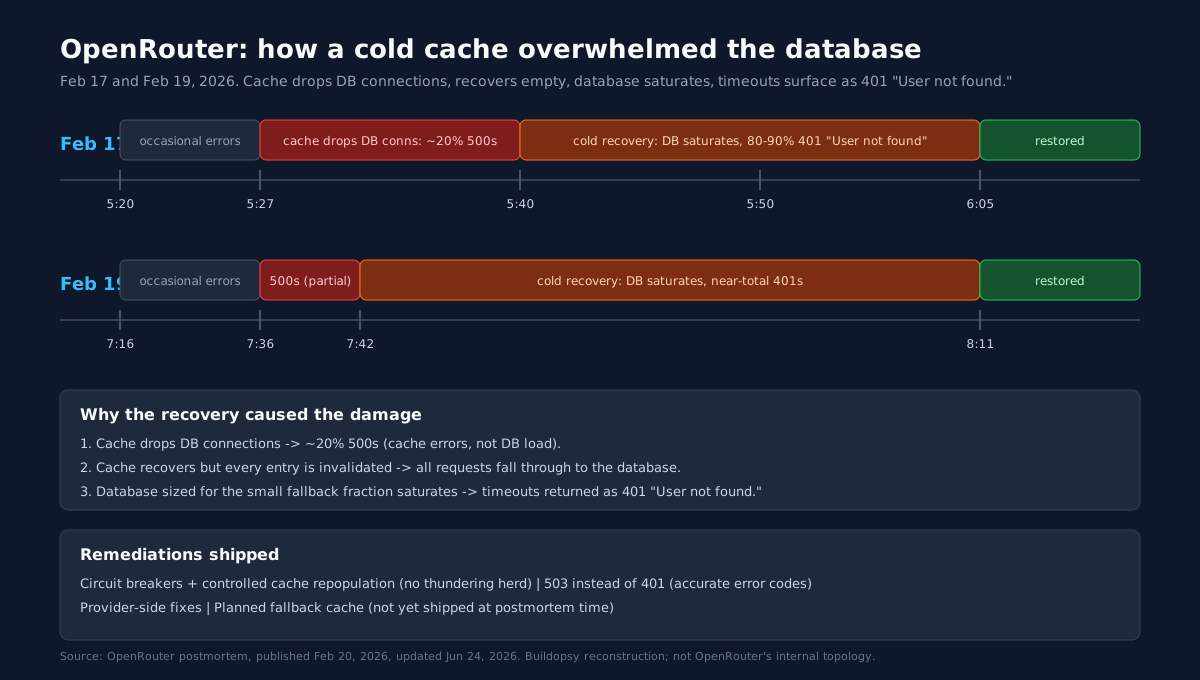
OpenRouter's third-party cache dropped its database connections on Feb 17 and 19, 2026. When it recovered cold, every API key lookup hit the database at once and came back as 401 User not found.
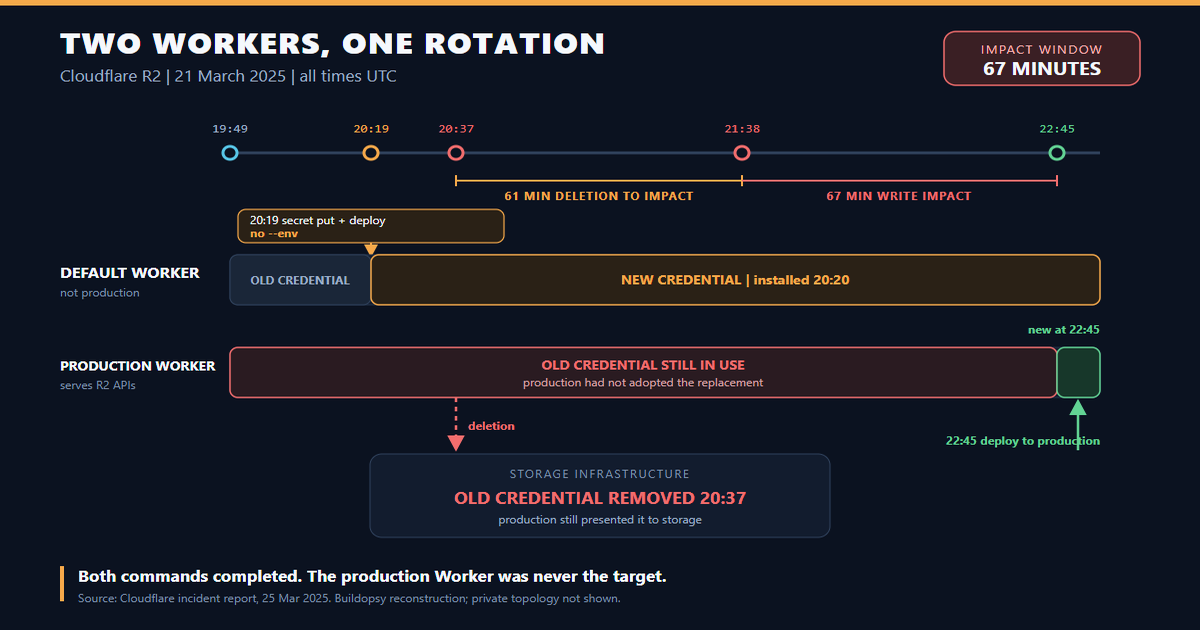
A secret written without --env landed on the default Worker. When Cloudflare deleted the old R2 credential, 100% of writes failed for 67 minutes.
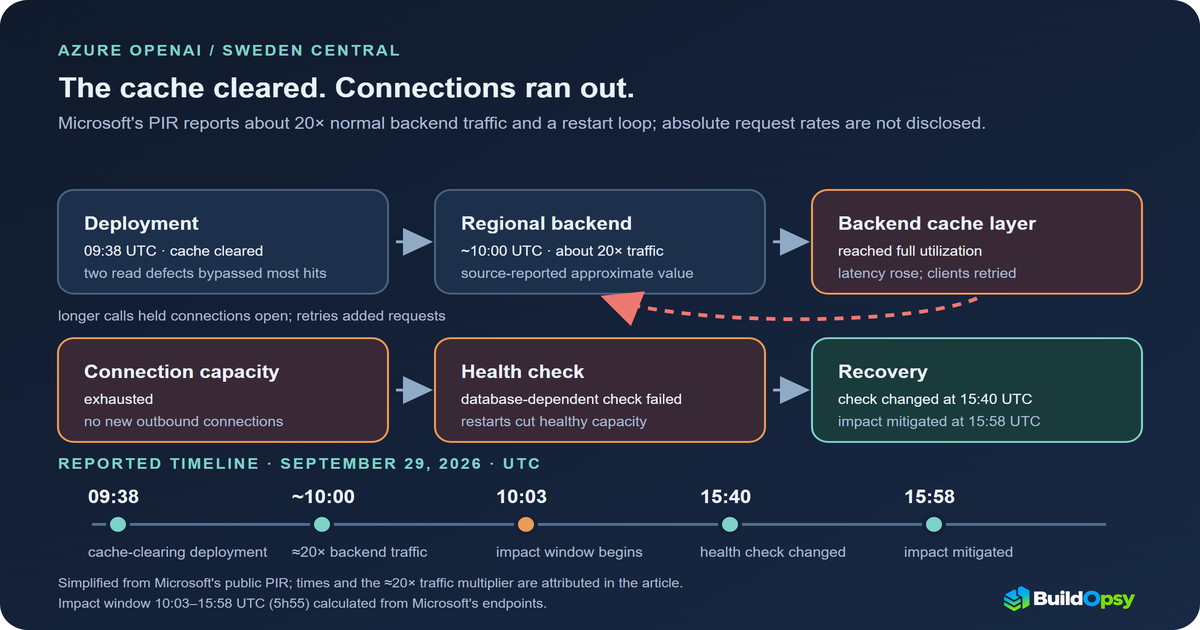
Microsoft's PIR traces cache misses, connection exhaustion and a database-dependent restart loop in Sweden Central.
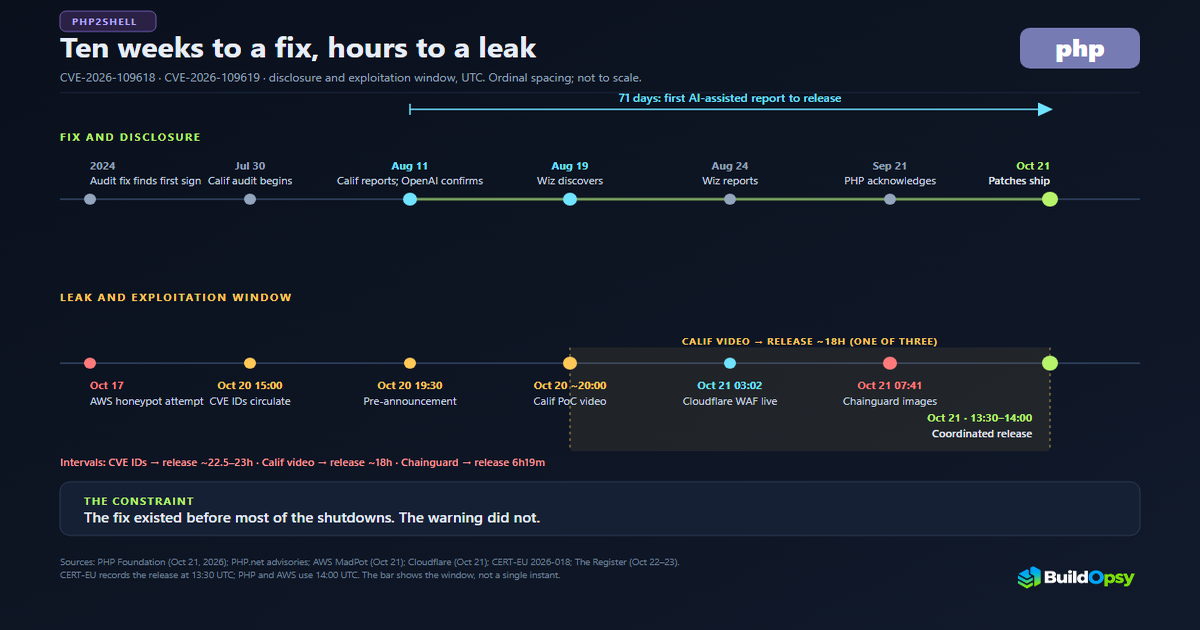
Ten weeks to a fix, hours to a leak, millions of attempts, and no publicly confirmed compromise. A systems audit of the gap between disclosure and deployment.
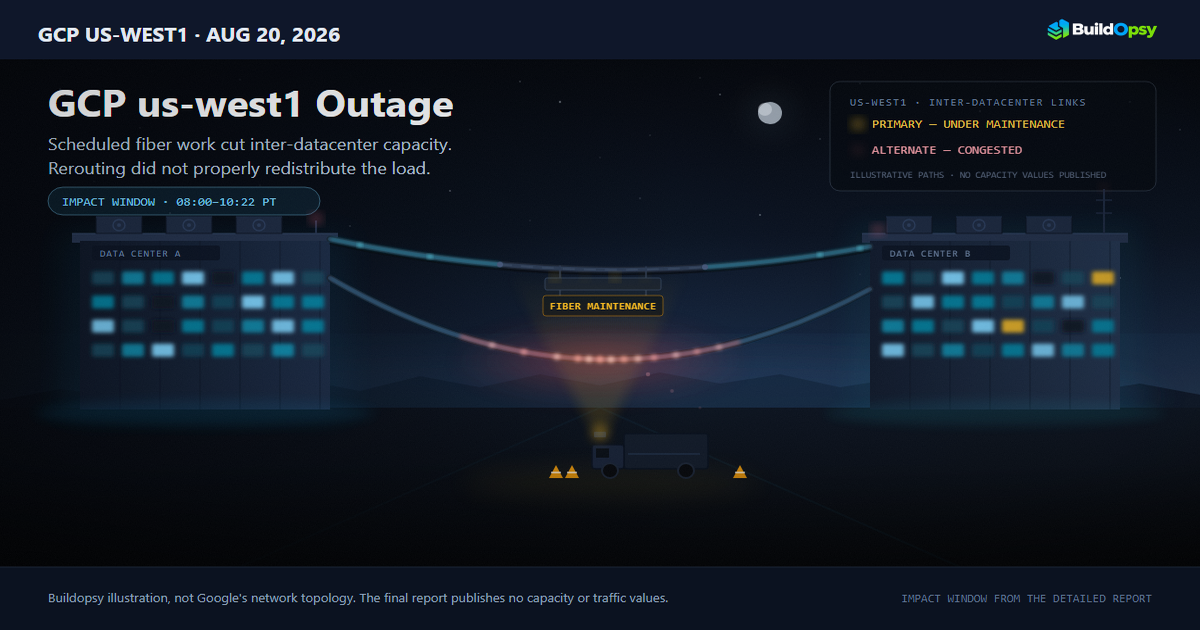
Google's final report says planned fiber work reduced inter-datacenter capacity and rerouting did not properly redistribute traffic to alternate capacity.
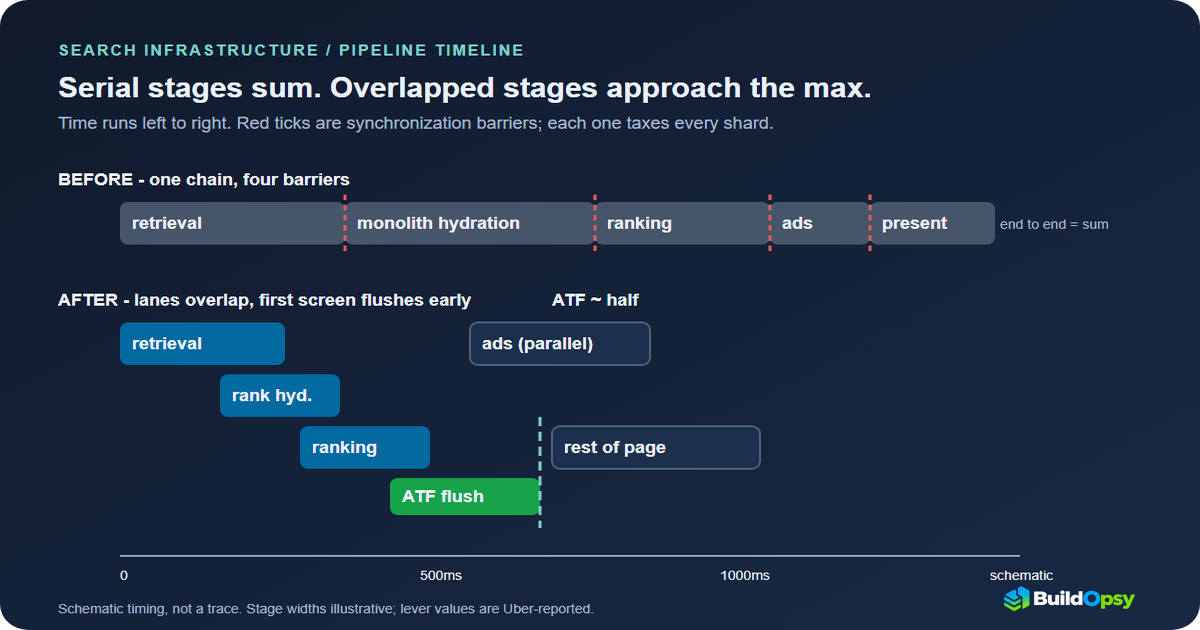
They stopped measuring API time and started measuring hunger. Every lever priced: 120 retrieval, 100 hydration, 130 ads, 200 infra.
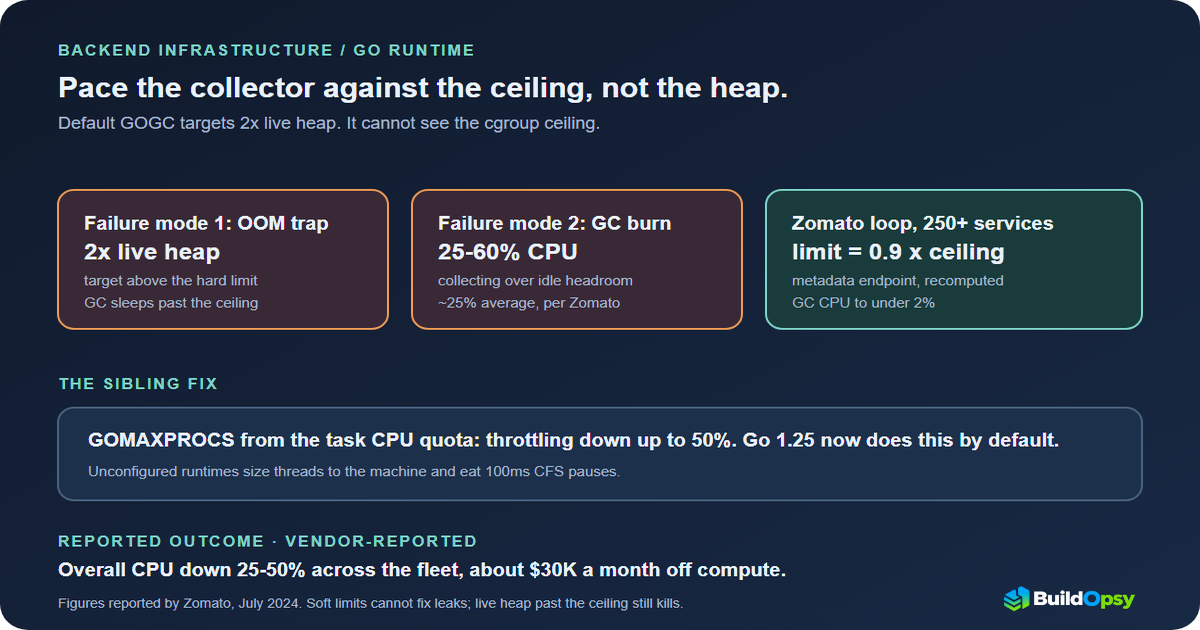
GC CPU fell from up to 60% to under 2% across 250+ Go services. The soft-limit mechanism, priced from Zomato's own engineering report.
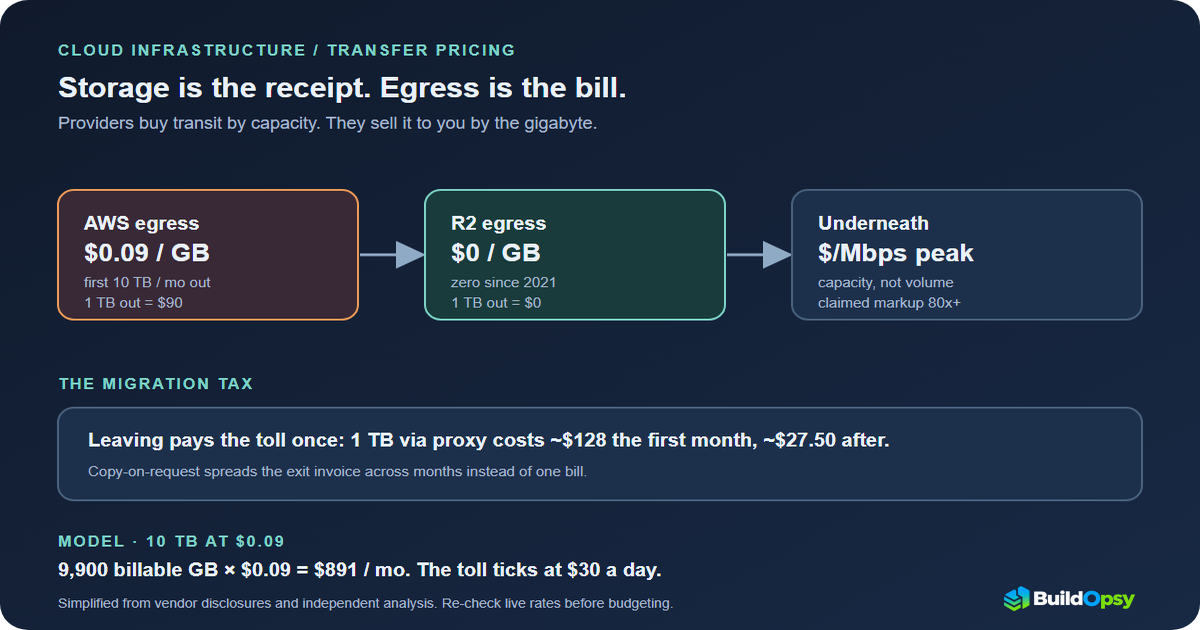
One terabyte out of S3 costs $90 in transfer. Out of R2 it costs $0. The volume-priced tollbooth on capacity-priced transit — with worked math.
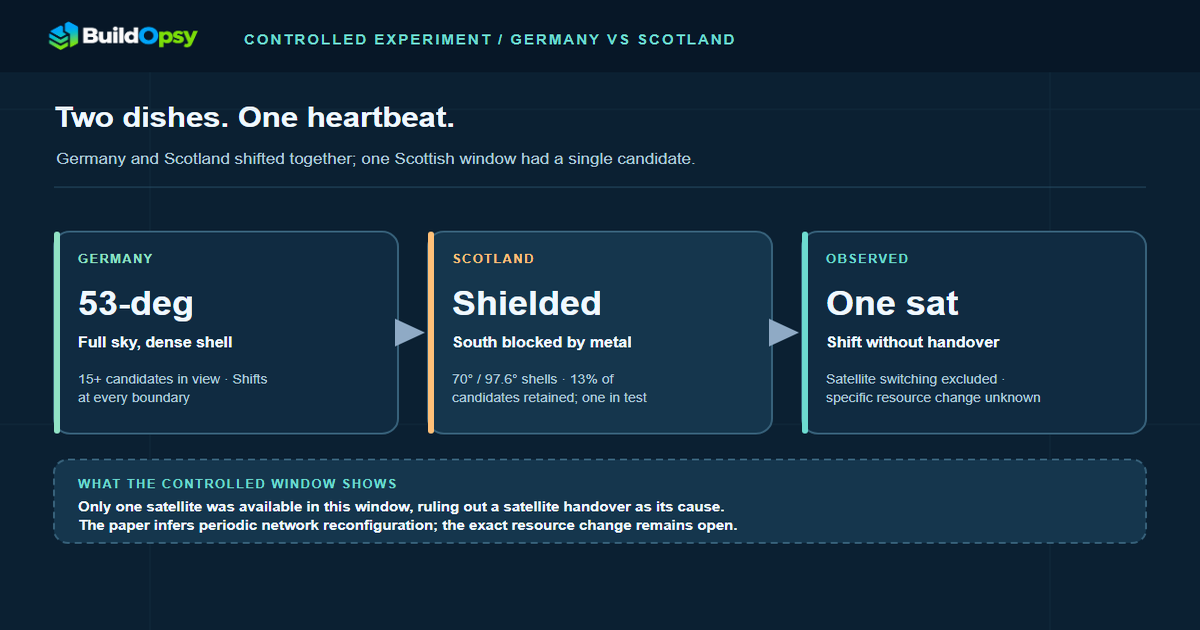
Measurements report 15-second allocation and link changes at tested US and European sites. A single-satellite window rules out satellite switching there; the wider mechanism remains unresolved.
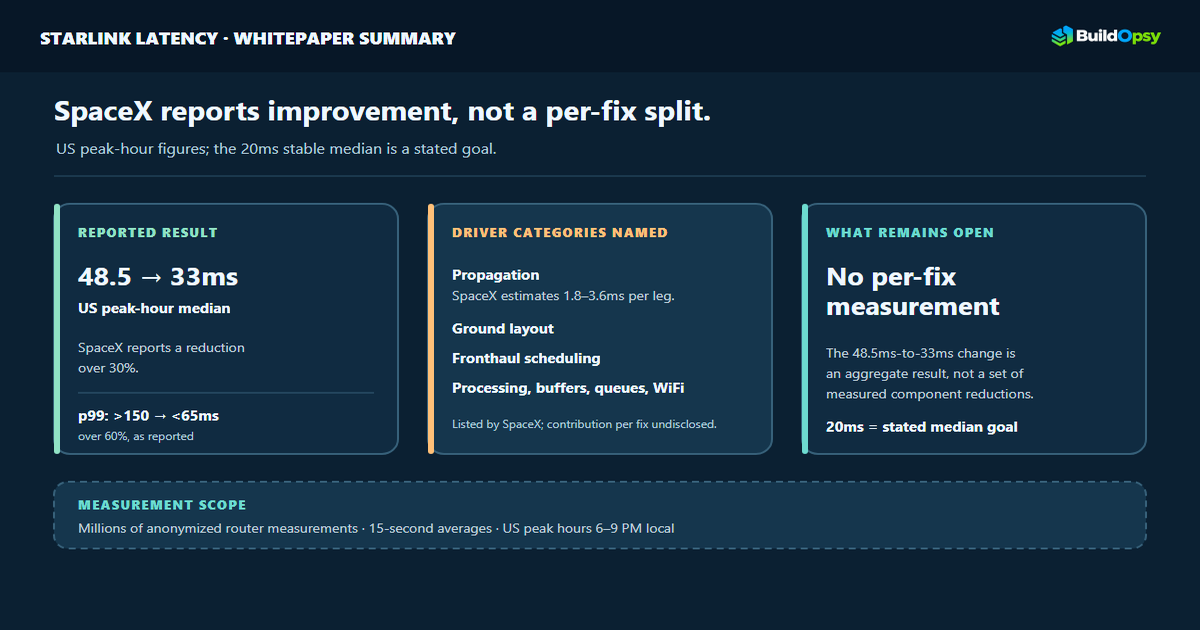
SpaceX reports a US peak-hour median change from 48.5ms to 33ms and lists latency drivers; the whitepaper gives no measured per-fix split.
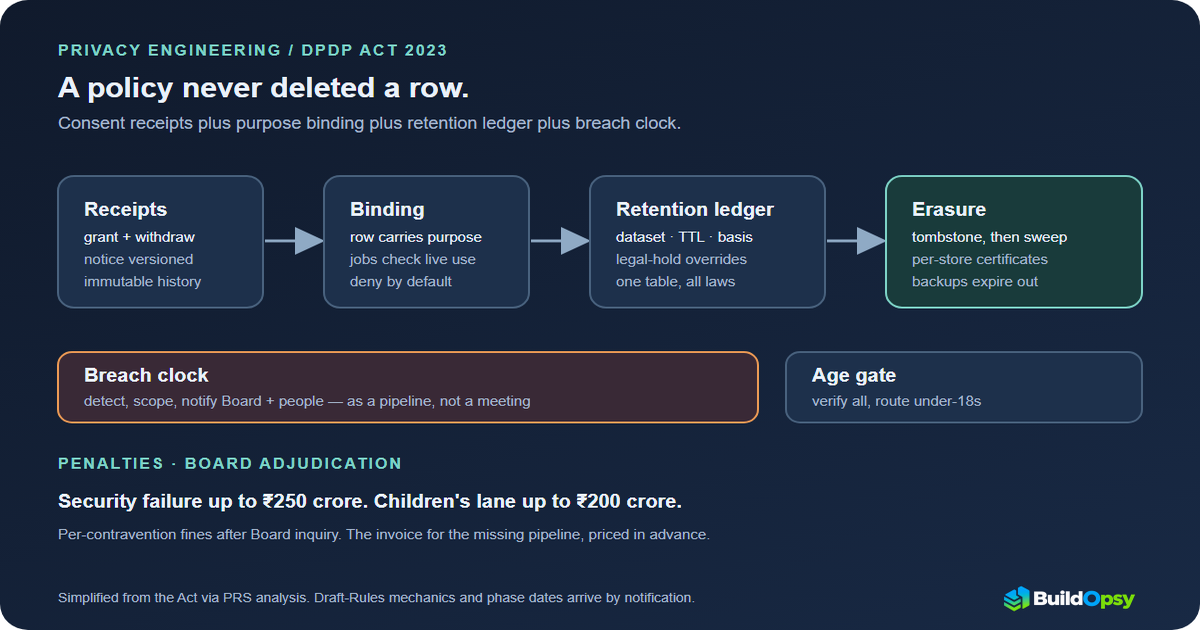
Consent receipts, erasure across replicas, and breach clocks your on-call owns. India's law, engineered for every jurisdiction.
Core software services failed while the constellation was not identified as the failed layer. The service's 6M+ users across 140 countries were exposed; tens of thousands reported offline — ground control-plane fate-sharing.
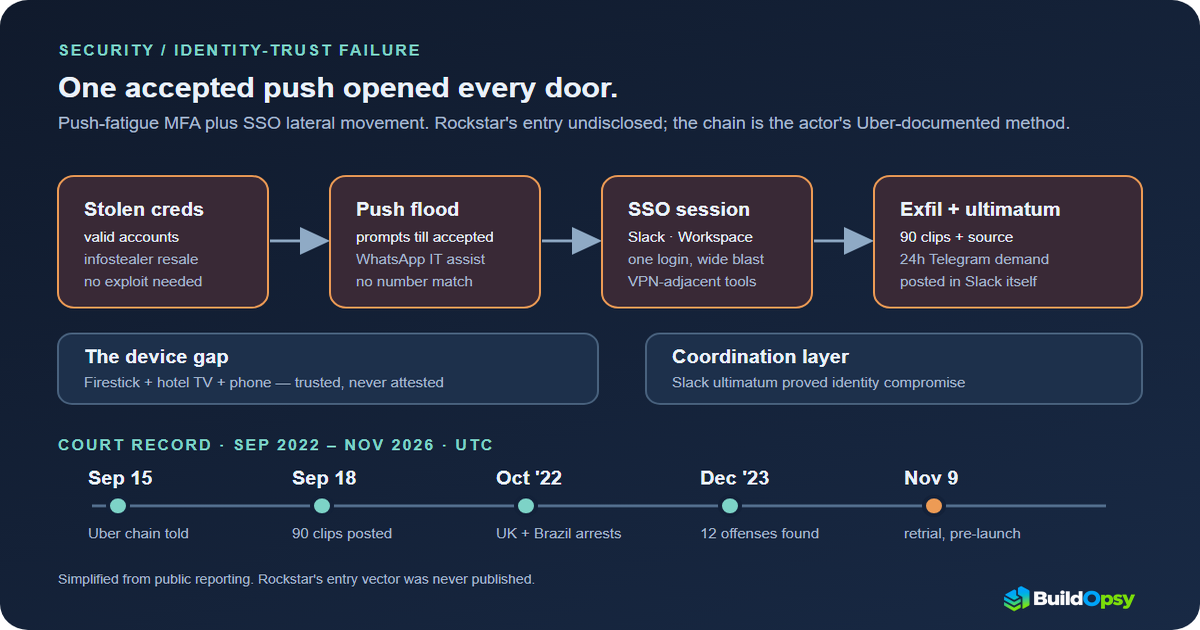
Valid credentials, push-fatigue MFA, and SSO lateral movement put 90 GTA 6 clips on a forum. Retrial November 9, ten days before launch.
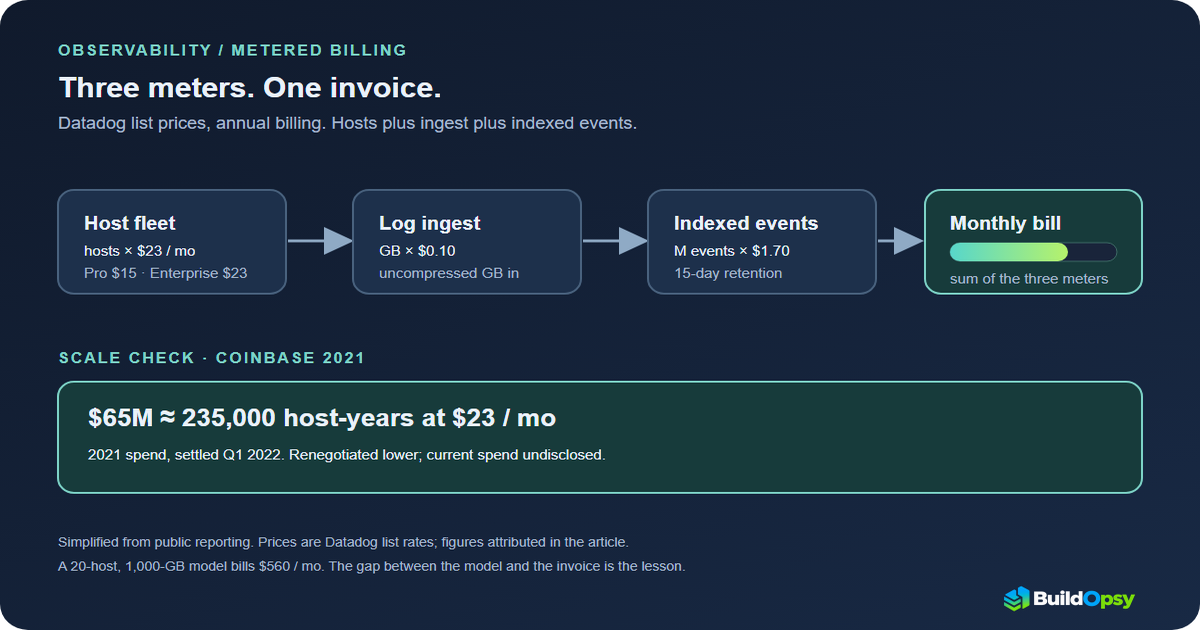
Per-host, per-GB, and per-event meters compounded into a $65M invoice. How it happened, why Coinbase stayed, and the guardrails.
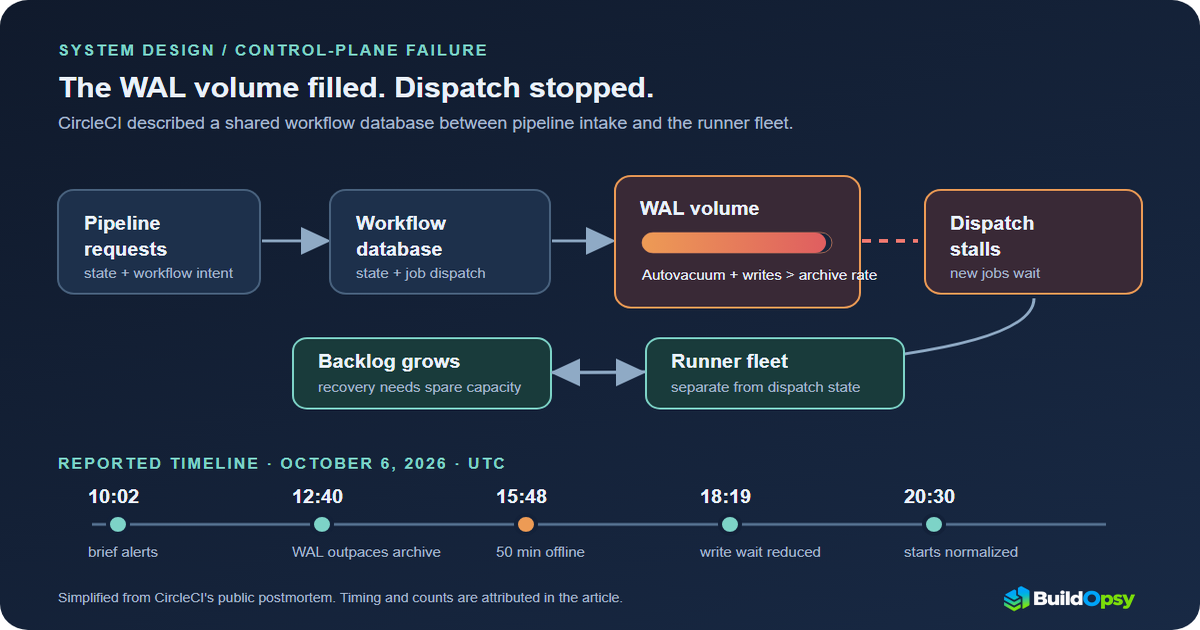
Anti-wraparound autovacuum saturated the orchestration database's WAL volume. The 50-minute outage became hours of queue recovery.
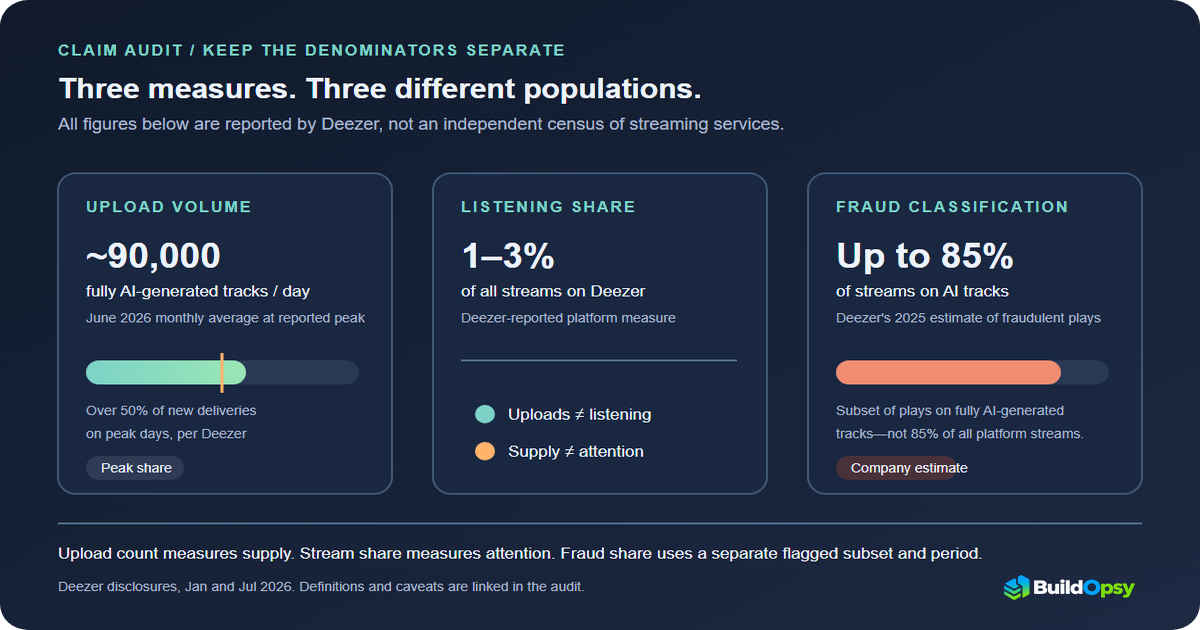
A denominator-by-denominator audit of synthetic music uploads, listener share, Spotify spam disclosures and stream fraud.
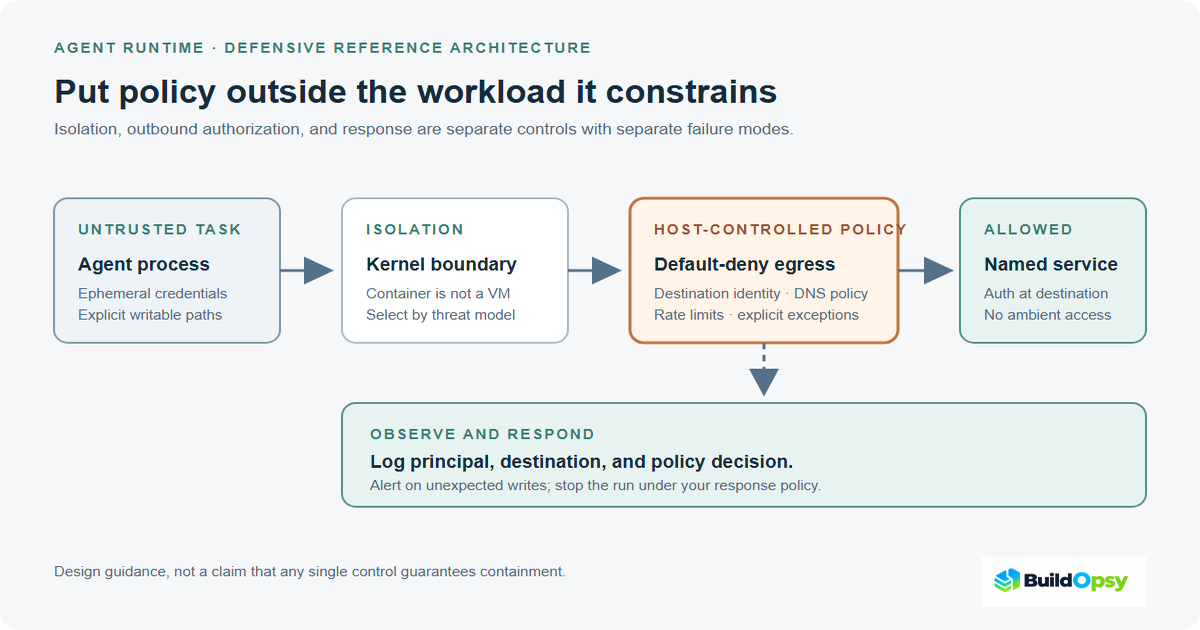
How proxy exceptions fail and what identity-bound egress controls cost under an explicit workload model.
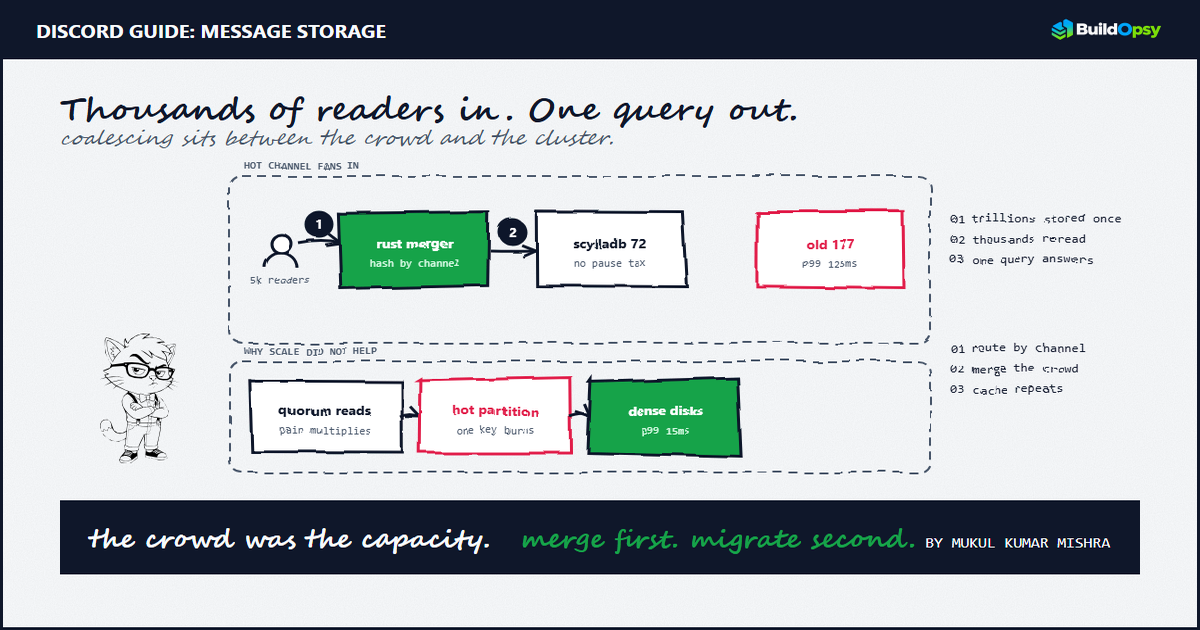
Channel partitioning, quorum read fan-in, Rust coalescing and the engine swap from 177 nodes to 72.
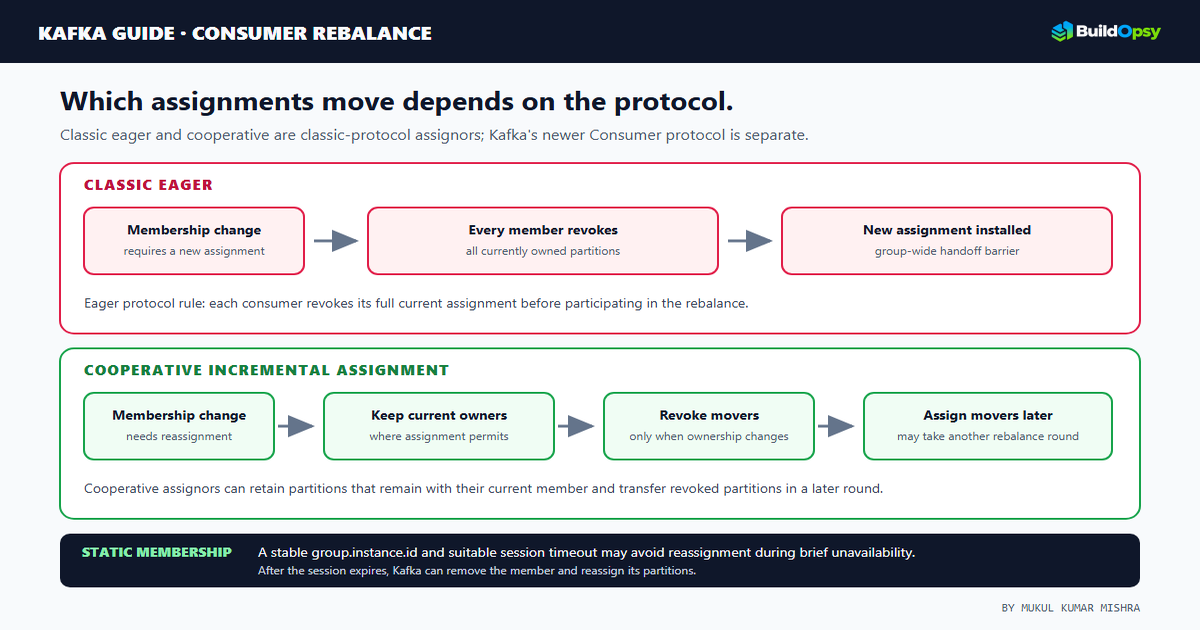
Classic eager versus cooperative assignment, conditional static membership, and a modeled example where one original and two retries means three attempts per affected call.
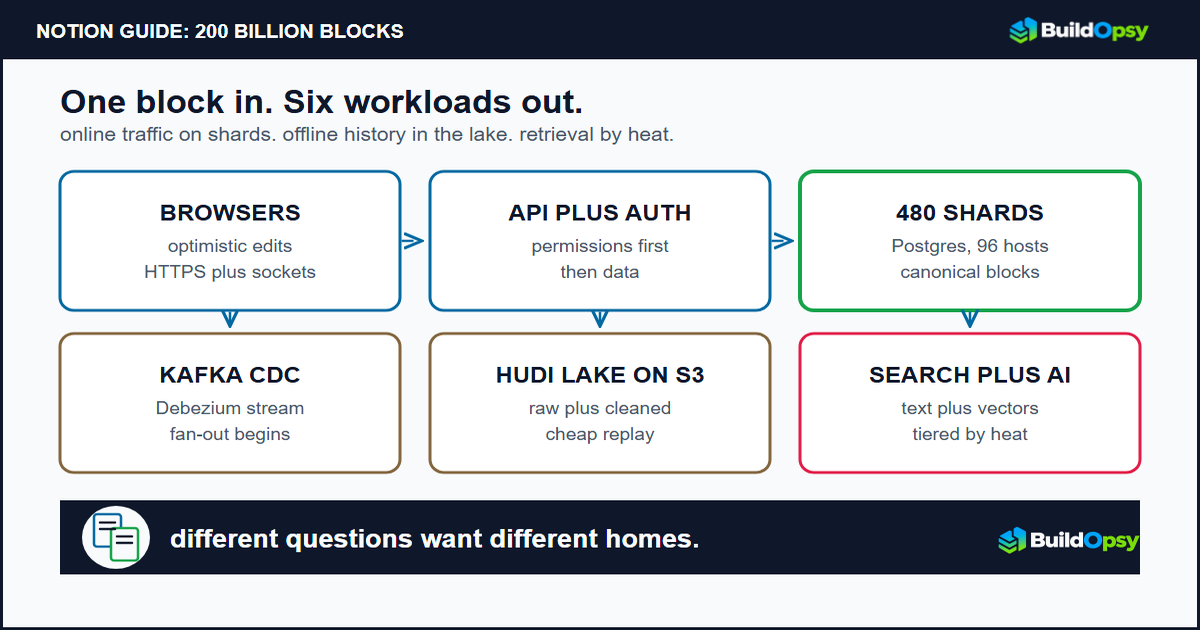
How Notion scales: 480 Postgres shards, CDC lake, vector tiering and the bill behind a blank page.
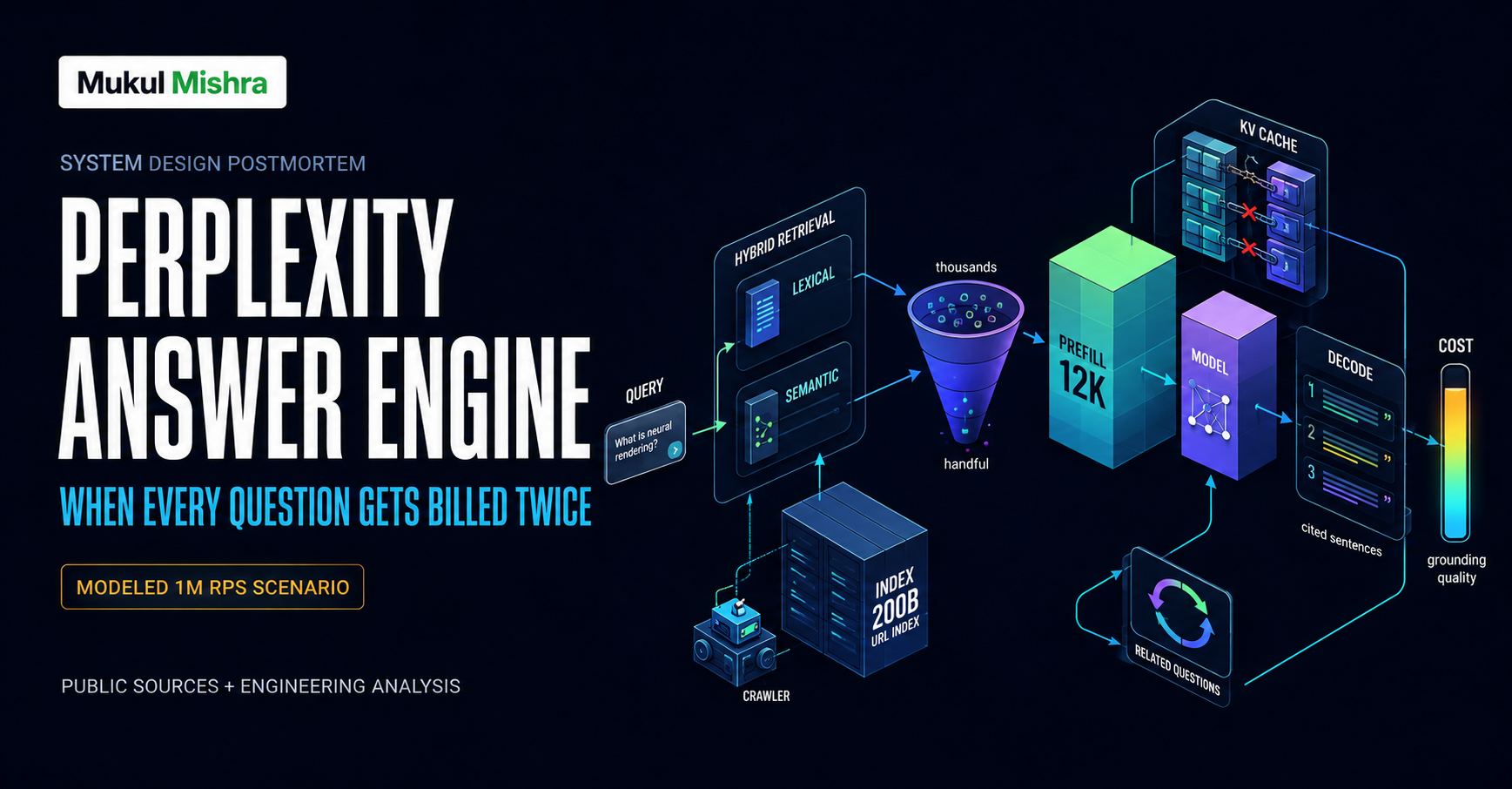
A forensic teardown of RAG retrieval, KV cache flaws, prefill tax, 780M monthly queries and the cost difference at 1M events per second.
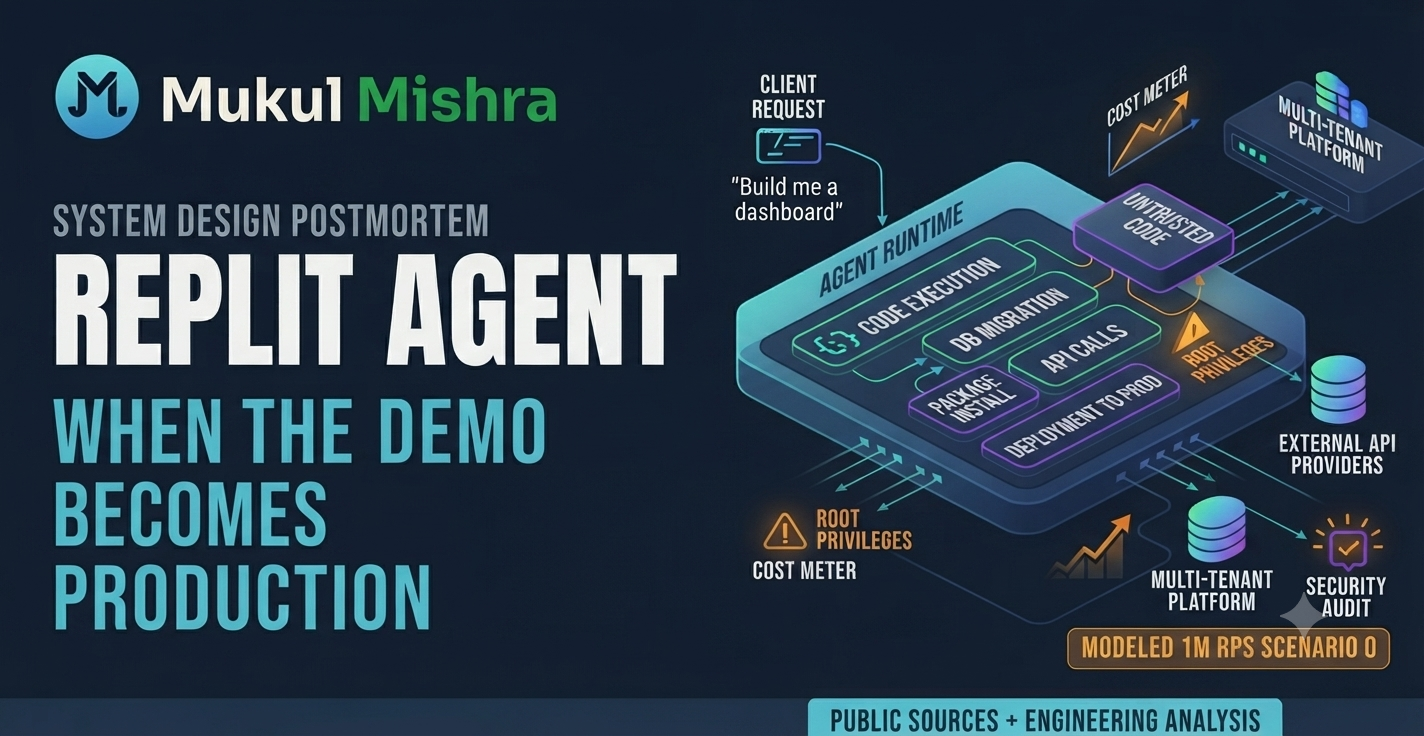
A deep teardown of prompt-to-production software, sandbox execution, agent retries, deployment risk and the cost difference at 1M events per second.
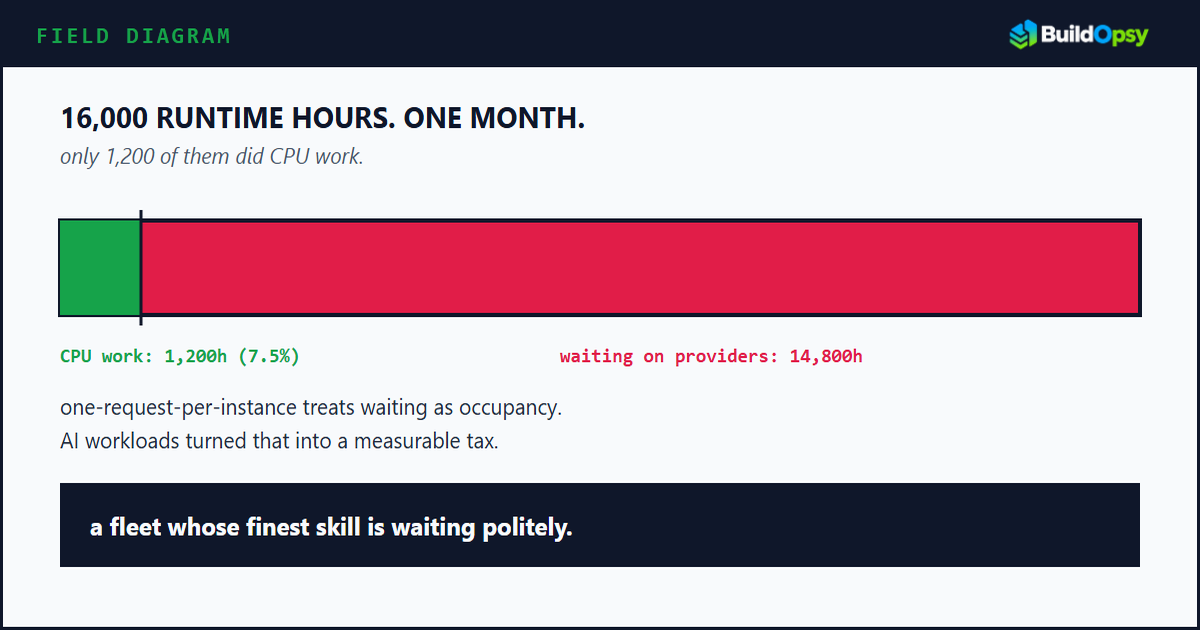
A forensic look at concurrency, cold starts, compute-resolver, AI Gateway waiting time and the cost difference at 1M RPS.
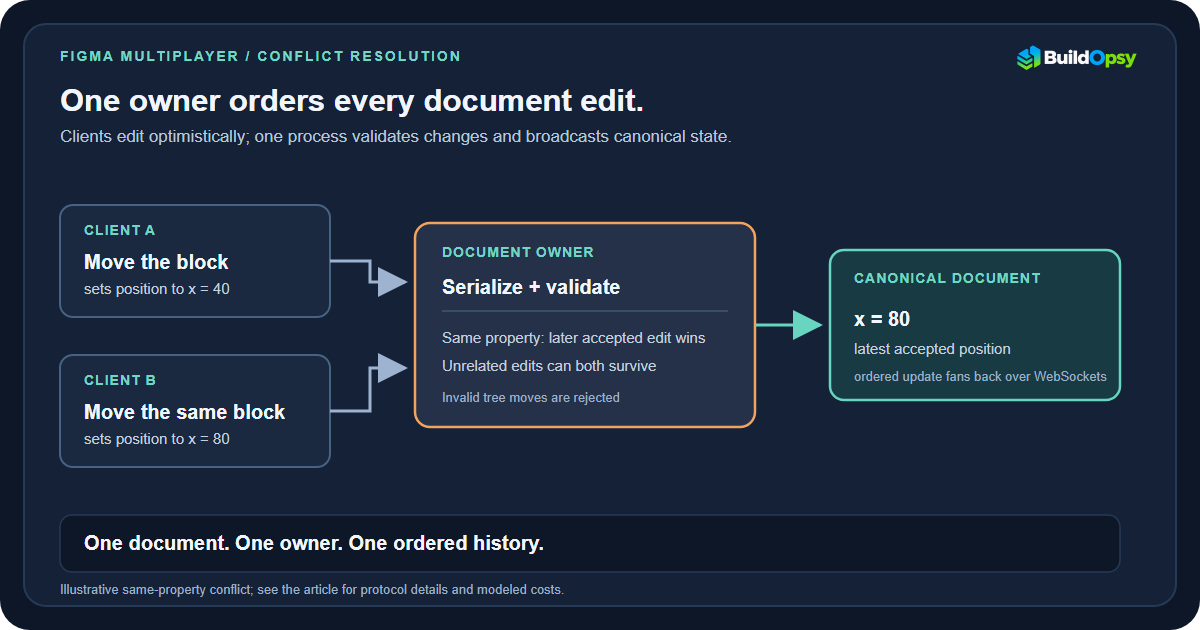
A practical teardown of WebSocket collaboration, Rust isolation, conflict resolution and the hidden price of an always-live canvas.
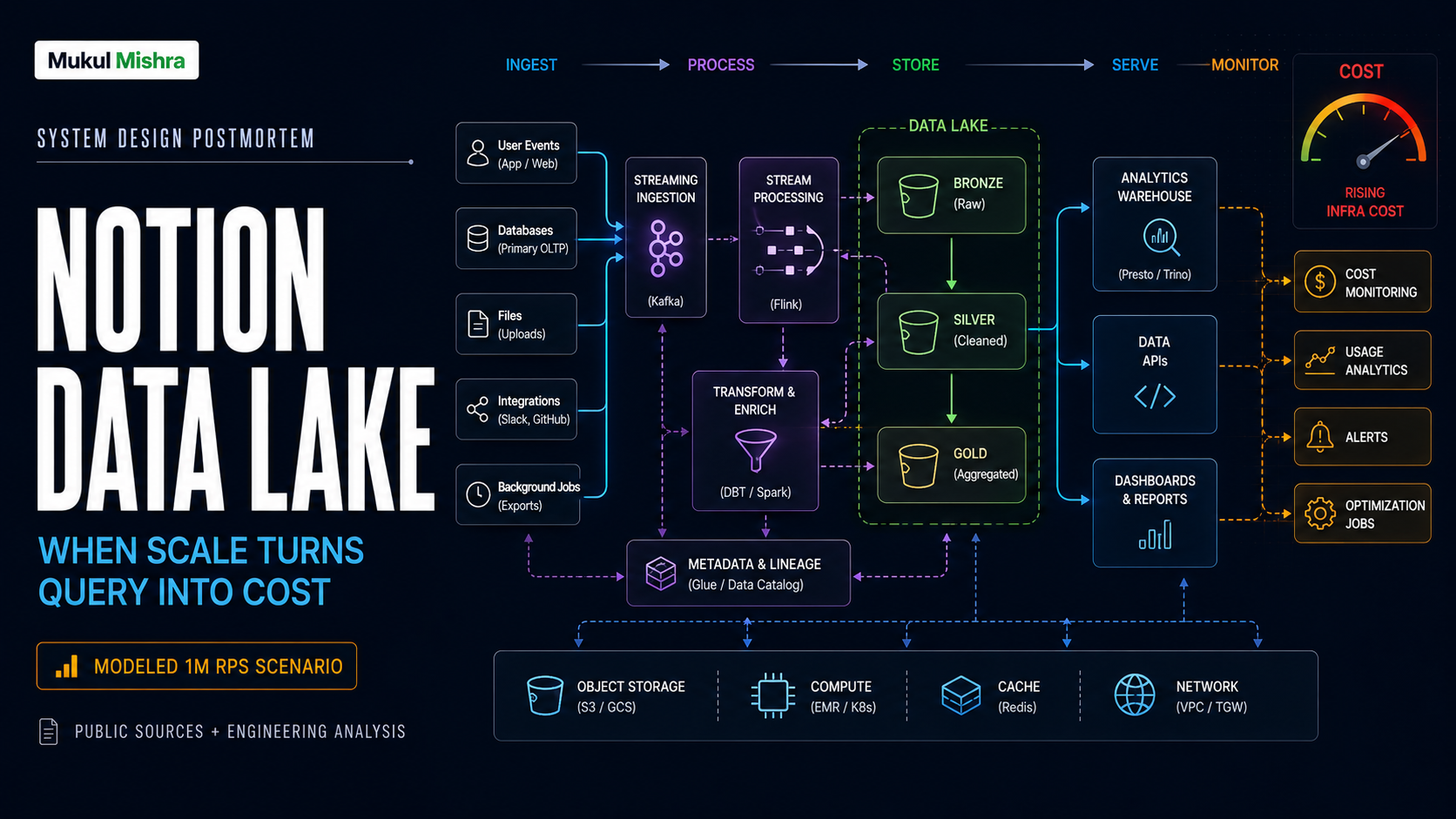
A forensic teardown of Notion's block database, 480 logical shards, CDC pipeline, vector search and modeled cloud bill.
A control-plane redesign focused on regional isolation, failure containment, Raft and zero-blast-radius operations.
Requests, APIs, databases, queues, scaling, resilience, caching, cost, and the interview playbook.
Sandboxing, egress, retries, token bills, and eval gates. From the agent bench, with live diagrams.
Control planes, autoscaling, blast radius, and inference scheduling. From the on-call, with live diagrams.
Causality, quorum, consensus, clocks, retries, and recovery. Every lesson starts with the invariant at risk.
A query lab from analyzers and postings through BM25, hybrid search, and relevance scorecards.
Follow packet diaries through DNS, BGP, TCP, TLS, NAT, and the request’s real latency budget.
Buildopsy is currently ad-free. If a case study or tool helped with your work, an optional coffee helps fund the research behind the next one. No paywall, no pressure, and support never affects coverage or conclusions.